Choosing between a red light therapy bed and a red light panel depends on the space, the session style, the level of coverage needed, and how the equipment will be used over time.
A red light therapy bed usually creates a dedicated full-body lay-down experience. A red light therapy panel can offer more flexibility, especially when the room is smaller or the setup needs to work around a chair, sofa, bed, or multi-use space.
Neither format is automatically better. The right choice depends on whether you want a structured full-body session, a flexible panel setup, a professional client-facing room, or a practical home wellness arrangement.
Start with the space and intended use
The first question is not whether a red light therapy bed or panel looks more impressive. The first question is how the session should actually work.
A red light therapy bed is designed for a dedicated lay-down session. The user enters or lies within the bed-style system, making it feel more structured and complete. This can be useful for clinics, studios, spas, recovery spaces, and home wellness rooms where the goal is a full-body experience with a clear session format.
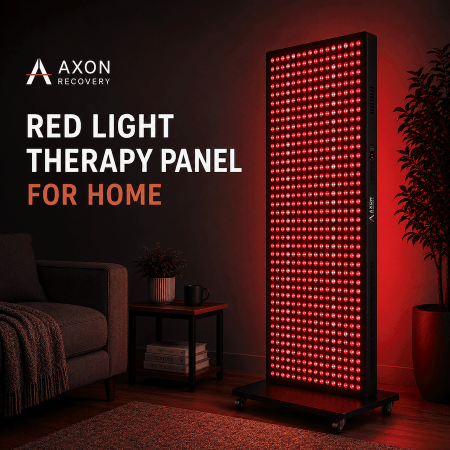
A red light therapy panel works differently. Depending on the model, a panel may be used upright, seated, over a chair, near a sofa, over a bed, or in a more flexible position. Some panels are compact. Others are wide, tall, foldable, or designed for broader full-body use.
If you want a dedicated wellness-room experience, a red light therapy bed may make more sense. If you want flexibility and easier placement, a panel may be the better fit.
How a red light therapy bed compares
A red light therapy bed is often chosen when comfort, coverage, and presentation matter. It can create a premium session experience because the user lies down and the equipment becomes the clear centrepiece of the room.
This format may suit:
- Clinics offering structured full-body sessions
- Wellness studios that want a premium equipment experience
- Spas and hospitality spaces where presentation matters
- Home wellness rooms with enough floor space
- Recovery spaces where a dedicated lay-down format is preferred
The trade-off is that a red light bed usually needs more room planning. It requires floor space, access around the system, a suitable delivery route, and enough room for the user to enter and exit comfortably.
A bed may be the wrong choice if the room is too small, if the space needs to stay flexible, or if the user would prefer sitting, standing, or changing positions during use.
How a red light panel compares
A red light panel is usually more flexible. It can be easier to place in different rooms, use in different positions, and adapt to different routines.
A red light therapy panel may suit:
- Home users who need flexibility
- Bedrooms, spare rooms, and multi-use spaces
- Clinics or studios that need adjustable positioning
- Users who want targeted, half-body, or upright coverage
- Spaces where a full bed-style system would feel too large
The trade-off is that a panel may not create the same structured lay-down experience as a bed. Depending on the model, the user may need to stand, sit, adjust position, or set the panel around the body to get the intended coverage.
For some buyers, that flexibility is the main advantage. For others, it may feel less premium or less simple than a dedicated red light bed.
Full-body coverage is not always the same experience
Both formats can support full body red light therapy, but the experience is different.
A red light therapy bed usually offers a more fixed full-body session. The user lies down, and the session is built around that position. This can feel more consistent and easier to present in a clinic, studio, spa, or premium home wellness room.
A full-body red light therapy panel setup may offer broader flexibility. A foldable or tall upright panel may provide larger coverage without requiring a bed-style system. This can be useful for home users who want full-body exposure but do not want a large fixed bed in the room.
The question is not only how much coverage the equipment provides. It is also how the user will position themselves, how the session will feel, and whether the setup is practical enough to use regularly.
Compare the room requirements
Room fit is one of the biggest differences between a red light bed and a panel.
| Factor | Red light therapy bed | Red light therapy panel |
|---|
| Space | Needs a dedicated floor area | Can suit compact or multi-use rooms |
| Session style | Lay-down full-body session | Standing, seated, over-bed, or flexible use |
| Room feel | More premium and structured | More adaptable and practical |
| Home use | Best for dedicated wellness rooms | Useful for bedrooms, spare rooms, and flexible setups |
| Professional use | Strong for premium client-facing sessions | Strong for clinics and studios needing flexibility |
| Storage | Usually fixed in place | Some models may be moved, folded, or repositioned |
If the room is dedicated to wellness or recovery, a bed may work well. If the room needs to stay flexible, a panel may be more practical.
Home use: bed or panel?
For home users, the decision usually comes down to space and routine.
A red light therapy bed for home may be a good option if you have a dedicated room, want a lay-down full-body session, and prefer a more structured wellness setup. It can feel premium and comfortable, but it needs enough space and a realistic plan for regular use.
A red light therapy panel for home may be better if you need flexibility, easier placement, or a smaller footprint. It can work in bedrooms, spare rooms, and multi-use spaces where a full bed would feel too large.
For many homes, the panel is the more practical starting point. For larger private wellness rooms, a bed may create the stronger full-body experience.
Professional use: bed or panel?
For clinics, studios, spas, and recovery spaces, the decision should be based on the service model.
A bed may be better if the business wants a clear, premium, full-body lay-down session that is easy for clients to understand. It can also create strong visual presence in a treatment room or wellness suite.
A panel may be better if the room needs flexibility, if staff need to adapt sessions to different users, or if the space is smaller. Panels can also work well in clinics and studios that want targeted or upright use without committing to a large bed-style system.
For commercial planning, see our professional red light therapy equipment page.
Common mistakes when choosing between a bed and panel
Choosing the biggest system first
A larger system may look more premium, but it is not always the best fit. Room size, access, and usability matter more than size alone.
Ignoring the user position
Lay-down, seated, upright, and flexible positioning all create different experiences. Choose the format that matches how the equipment will actually be used.
Forgetting the room layout
A red light bed may need more access space than expected. A panel may still need careful positioning, storage, and clearance.
Buying for appearance only
Visual presence is important, especially in premium spaces, but the equipment also needs to work practically day to day.
Overlooking support
Post-purchase support, delivery coordination, setup guidance, and warranty terms should be checked before choosing either format.
Which full-body setup is better?
A red light therapy bed is usually better if you want a dedicated full-body lay-down experience, have enough room, and want the equipment to feel like a premium centrepiece.
A red light therapy panel is usually better if you want flexibility, easier placement, compact setup options, or the ability to use the equipment in different positions.
Neither is automatically better. The best choice depends on your room, preferred session style, coverage needs, and whether the equipment is for home use or a professional setting.
How Axon Recovery helps
Axon Recovery helps private and commercial clients compare red light therapy equipment by format, coverage, room fit, comfort, session style, and long-term practicality.
If you are deciding between a red light bed, red light therapy panel, or wider red light therapy setup, Axon Recovery can help you understand which direction makes sense for your space and intended use.
Contact Axon Recovery to discuss your project.