
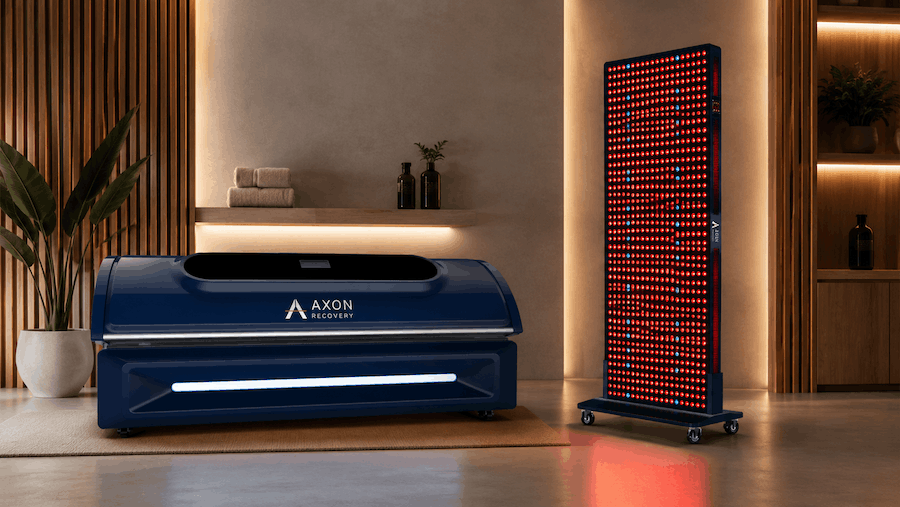
When users compare red light therapy equipment, they often use terms such as red light therapy device, red light panel, red light therapy panel, and red light therapy machine. These terms are sometimes used interchangeably, but they do not always mean the same thing.
A red light therapy device is a broad term. It can describe many types of equipment, from compact devices and panels to beds, stands, and larger systems. A red light panel is more specific. It usually refers to a panel-style system designed for targeted, half-body, or full-body exposure depending on the model.
The right choice depends on your space, coverage needs, setup style, user position, and whether the equipment is for home use, a clinic, a studio, or a commercial wellness space.
Start with the space and intended use
The term red light therapy device is useful, but it is broad. It does not tell you much about the format, size, coverage, or how the equipment will be used.
A red light therapy device may refer to a small personal-use product, a red light therapy panel, a full-body bed, a stand-up system, or another type of red light therapy machine. Because the term is so broad, buyers should look beyond the label and check the actual format.
A red light panel is more clearly defined. It is usually a panel-based system that can be positioned upright, placed near the body, or used in different ways depending on the model. Some panels are compact and easy to place. Others are wider, taller, foldable, or designed for broader coverage.
If you are comparing options, the better question is not simply “device or panel?” The better question is which format fits your room, coverage needs, and routine.
When a red light therapy panel makes sense
A red light therapy panel can be a strong choice when flexibility matters. Panels can often work in bedrooms, home wellness rooms, clinics, studios, and professional spaces because they do not always require a dedicated bed-style setup.
A red light panel may be suitable if you want:
For many home users, a panel is attractive because it can fit into a room without taking over the space. For professional users, panels can be useful where the room needs to stay flexible or where a bed-style system is not practical.
When a broader red light therapy device may make sense
A red light therapy device can mean different things depending on the equipment type. In some cases, the best option may not be a panel at all.
For example, a full-body red light therapy bed may be better if you want a dedicated lay-down session experience. A stand-up red light therapy system may suit a commercial wellness space where upright full-body sessions, visual impact, and room flow matter. A compact red light therapy machine may suit a smaller private setup where space is limited.
This is why broad searches for a red light therapy device should eventually become more specific. Once you understand the room and the intended use, it becomes easier to decide whether you need a panel, bed, stand-up system, or another equipment format.
For a wider comparison of equipment formats, see our red light therapy equipment page.
Compare coverage before choosing
Coverage is one of the most important differences between red light therapy devices and panels.
A compact red light panel may be useful for smaller rooms or more targeted use. A wide panel may provide broader half-body coverage. A tall upright panel may support larger vertical coverage. A foldable full-body panel may offer more flexible positioning around a bed, chair, or sofa.
By contrast, a red light therapy bed or stand-up system may create a more structured full-body session experience. That may be useful in a clinic, spa, studio, or commercial wellness space, but it also requires more planning around room size, access, and session flow.
| Equipment format | Usually better suited for |
|---|---|
| Compact red light panel | Smaller rooms, flexible home setups, upright use |
| Wide red light panel | Broader targeted coverage and professional panel use |
| Foldable full-body panel | Flexible positioning around a bed, chair, or sofa |
| Red light therapy bed | Dedicated full-body lay-down sessions |
| Stand-up red light system | Upright full-body sessions and commercial wellness rooms |

Think about the room, not just the product
The best red light therapy equipment is not always the largest or most advanced option. It is the option that fits the room and can be used consistently.
Before choosing a red light therapy device or panel, check:
A compact panel may be more useful than a larger system if the room is small. A bed may be better if the goal is a structured full-body session. A stand-up system may make more sense in a commercial setting where presentation and session flow matter.
Home use vs professional use
Home users usually need red light therapy equipment that feels practical, easy to place, and realistic for regular private use. A panel can be a strong choice for a bedroom, spare room, home wellness room, or multi-use space because it can offer flexibility without requiring a dedicated treatment room.
If you are choosing for home use, compare the panel size, storage needs, setup style, coverage area, and how often the equipment will realistically be used. For more home-specific guidance, see our red light therapy panel for home page.
Professional users usually need to think about the client experience as well as the equipment. Clinics, studios, spas, and recovery spaces should review room layout, staff workflow, session flow, presentation, cleaning, reset time, and post-purchase support.
For business-focused planning, see our professional red light therapy equipment page.
Common mistakes when comparing devices and panels
Assuming all devices are the same
A red light therapy device is a broad term. It does not tell you whether the equipment is compact, full-body, panel-based, bed-style, or designed for professional use.
Choosing only by size
A larger red light therapy machine may look more impressive, but it may not be the most practical choice if the room cannot support it properly.
Ignoring user position
Standing, sitting, lying down, and flexible positioning all create different setup requirements. The equipment should match the way it will actually be used.
Overlooking storage and placement
For home users especially, storage and placement can matter as much as coverage. A panel that is easy to use regularly may be more valuable than a larger setup that becomes awkward.
Forgetting the service model
For clinics and studios, equipment choice should support the service being offered. Staff workflow, client flow, room turnover, and presentation all matter.
Which one should you choose?
Choose a red light therapy panel if you want flexible positioning, a more space-conscious setup, or equipment that can work in different rooms and user positions.
Choose a broader red light therapy device format, such as a bed or stand-up system, if you want a more dedicated full-body session experience or a more structured commercial setup.
If you are unsure, start with the room. The right choice should fit your available space, preferred session style, coverage needs, and expected use before anything else.
How Axon Recovery helps
Axon Recovery helps private and commercial clients compare red light therapy equipment by format, coverage, room fit, setup style, user experience, and long-term practicality.
If you are deciding between a red light therapy device, red light panel, bed, or stand-up system, Axon Recovery can help you understand which direction makes sense for your space and intended use.


