Sports recovery equipment should be chosen around the space, the users, the service model, and how the equipment will actually be used. A gym, private athlete, recovery studio, or performance facility may all need different priorities.
The best first investment is not always the most expensive or impressive system. It is the equipment that fits the room, supports the user experience, feels practical to manage, and makes sense for the type of recovery space you are building.
This guide explains how to prioritise sports recovery equipment so athletes, gyms, studios, and performance facilities can invest in the right setup before adding more systems later.
Start with the recovery space
Before choosing equipment, review the space itself. A recovery area should feel organised, easy to access, and practical to use. If the room is crowded or confusing, even good equipment may be underused.
Start by checking:
- Available floor space
- Room access
- User entry and exit
- Privacy requirements
- Staff visibility
- Cleaning and reset needs
- How the equipment will sit together in the room
- Whether the space is private, shared, or member-facing
A private athlete may need a calm, practical room for personal use. A gym may need equipment members can understand quickly. A performance facility may need a more structured setup that works for multiple users and staff routines.
The room should guide the equipment choice, not the other way around.
Decide who the equipment is for
Sports recovery equipment should match the people who will use it. The needs of a private athlete are different from the needs of a gym, studio, or professional facility.Before investing, define the main user group:
- Private athlete
- Personal training client
- Gym members
- Recovery studio clients
- Sports team or athlete group
- Performance facility users
- Hotel, spa, or hospitality guests
Invest in equipment that will be used consistently
The first investment should usually be the equipment most likely to be used regularly. A system that looks impressive but feels awkward, confusing, or too time-consuming may not deliver good value.
Before choosing, ask:
- Will users understand what the equipment is for?
- Is the session format clear?
- Is the equipment easy to access?
- Can staff explain it simply?
- Does it fit the room without creating friction?
- Will it support regular use over time?
For many facilities, the best starting point is equipment that is easy to explain, easy to schedule, and easy to fit into the recovery journey.
Red light therapy equipment as a first investment
Red light therapy equipment can be a strong first investment for gyms, studios, recovery spaces, and private wellness rooms because it can be offered in several formats.A red light therapy bed may suit a premium full-body lay-down session. A red light therapy panel may suit flexible spaces or targeted use. A stand-up red light system may suit facilities that want upright full-body sessions and strong visual presence.Before investing in red light therapy for recovery spaces, review:
- Whether users will lie down, stand, or sit
- How much space is available
- Whether the equipment will be used privately or by clients
- How staff will explain the session
- Whether the room needs to stay flexible
- Whether the system fits the service model
Hyperbaric chambers as a first investment
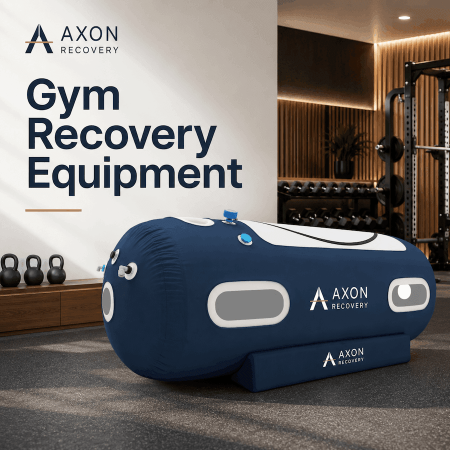
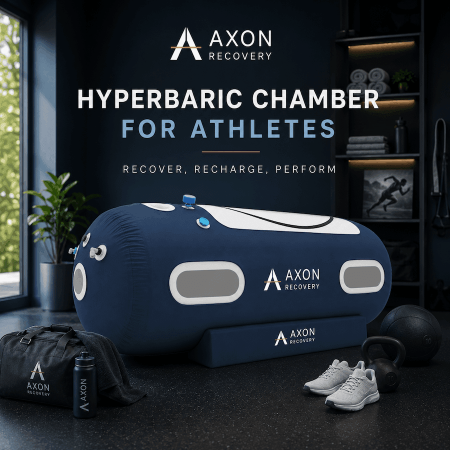
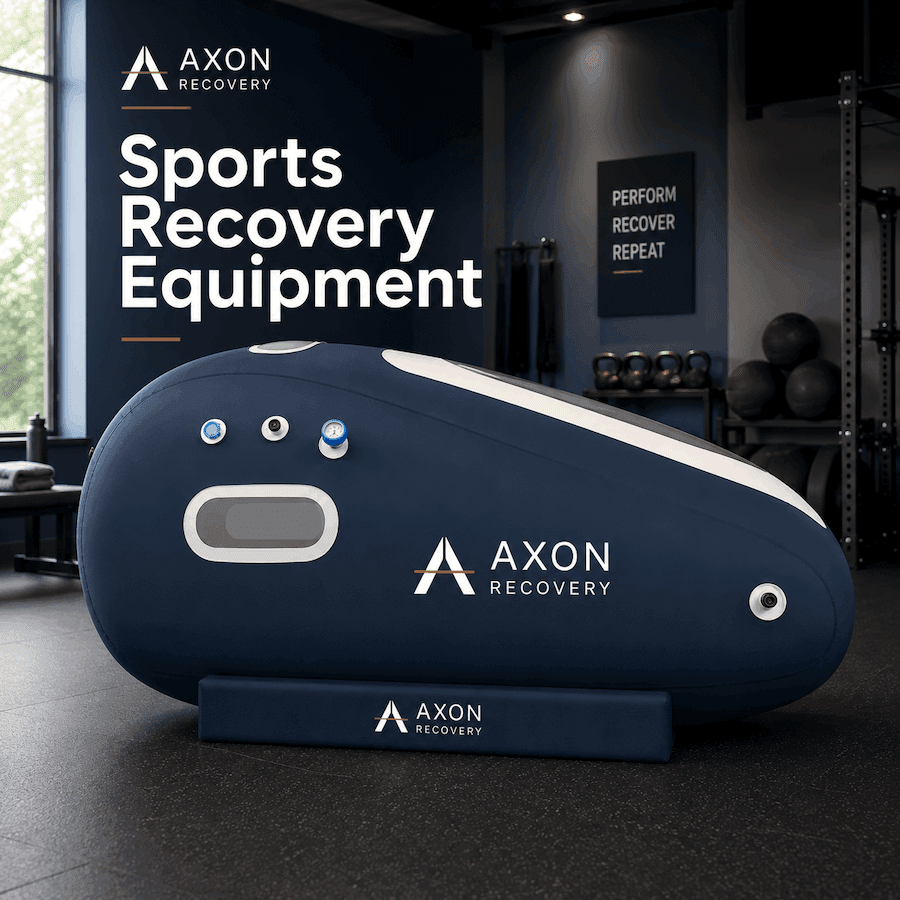
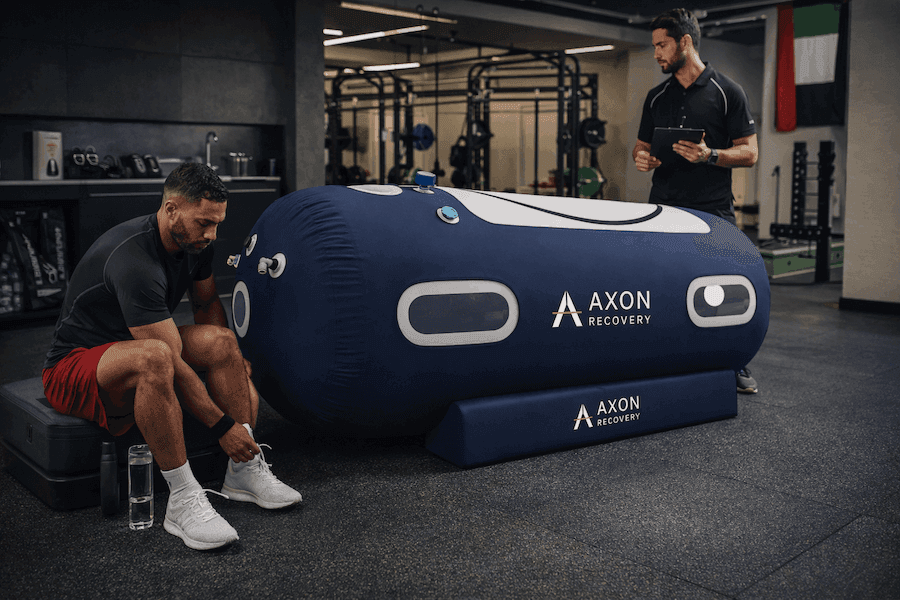
A hyperbaric chamber may be a suitable first investment for a more specialised recovery space, private athlete setup, premium gym, or sports performance facility. It is usually a bigger planning decision than smaller fitness recovery equipment because it needs careful review of space, access, comfort, operation, and support.
Before choosing a hyperbaric chamber for athletes or sports recovery spaces, review:
- Available room size
- Chamber style
- User access
- Seated or lie-down preference
- Delivery route
- Staff process
- Expected usage level
- Post-purchase support
A hyperbaric chamber may make sense when the recovery area is planned as a premium or structured environment. It may not be the right first step if the room is too small, the service model is unclear, or staff are not ready to manage the equipment properly.
For athlete-focused planning, see our hyperbaric chamber for athletes page.
Start with layout before adding more equipment
Many recovery spaces fail because too much equipment is added too early. The room starts to feel crowded, staff are unsure how to explain the setup, and users are not clear on what to do first.
Before adding more systems, review the recovery area layout:
- Where each piece of equipment will sit
- How users will move through the room
- Whether sessions need to be booked
- How staff will manage the space
- How equipment will be cleaned and reset
- Whether the room still feels calm and professional
- Whether the layout supports future additions
A well-planned room with fewer suitable systems is usually better than a crowded room with too many disconnected pieces of equipment.
What should different buyers prioritise first?
The best first investment depends on the buyer and the recovery environment.
| Buyer type | First priority | Why it matters |
|---|---|---|
| Private athlete | Practical home recovery setup | The equipment should fit the room and routine |
| Gym | Easy-to-understand member equipment | Members are more likely to use equipment that feels simple and accessible |
| Recovery studio | Clear service model | The equipment should support paid sessions and room flow |
| Performance facility | Staff workflow and user flow | Multiple users may need structured access and support |
| Hospitality project | Guest experience and visual fit | The equipment should feel premium and suitable for the space |
Common mistakes when investing in sports recovery equipment
Buying the most impressive system first
A high-presence system may look good, but it still needs to fit the room, user journey, and staff process.Ignoring how users behave
Equipment should match how athletes, members, or clients will actually use the space. If the setup feels confusing, it may be ignored.Adding too many systems at once
Too much equipment can make a recovery room feel cluttered. It is better to start with a clear, useful setup and expand later.Choosing without reviewing access
Delivery route, room access, user movement, and staff access should all be checked before purchase.Making unsupported performance claims
Sports recovery equipment should be presented responsibly. Avoid unsupported medical, recovery, or performance claims unless they are properly supported and legally appropriate.Avoid unsupported claims
Sports recovery equipment is often discussed in relation to training, performance, wellness, and recovery. Because of this, businesses should be careful about how equipment is described and promoted.
Safer messaging focuses on equipment type, session format, user experience, room planning, and practical setup. Claims about injury recovery, treatment, medical conditions, or guaranteed performance improvement should be avoided unless properly supported and legally appropriate.
Axon Recovery provides equipment guidance, not medical advice or performance advice. Users should consult qualified professionals for health-related or sport-performance questions.
Sports recovery equipment investment checklist
Before choosing what to invest in first, review:
- Available space
- User type
- Service model
- Session style
- Staff workflow
- Room layout
- Delivery requirements
- Cleaning and reset process
- Support and warranty
- Future equipment plans
The right first investment should make the recovery area easier to use, easier to explain, and easier to build on over time.
How Axon Recovery helps
Axon Recovery helps athletes, gyms, recovery studios, performance facilities, clinics, hotels, and commercial wellness projects compare recovery and wellness equipment based on room fit, user experience, staff usability, delivery coordination, and post-purchase support.
If you are deciding what sports recovery equipment to invest in first, Axon Recovery can help you compare suitable options before you commit.