Hyperbaric Chamber for Athletes: Where It Fits in a Recovery Routine

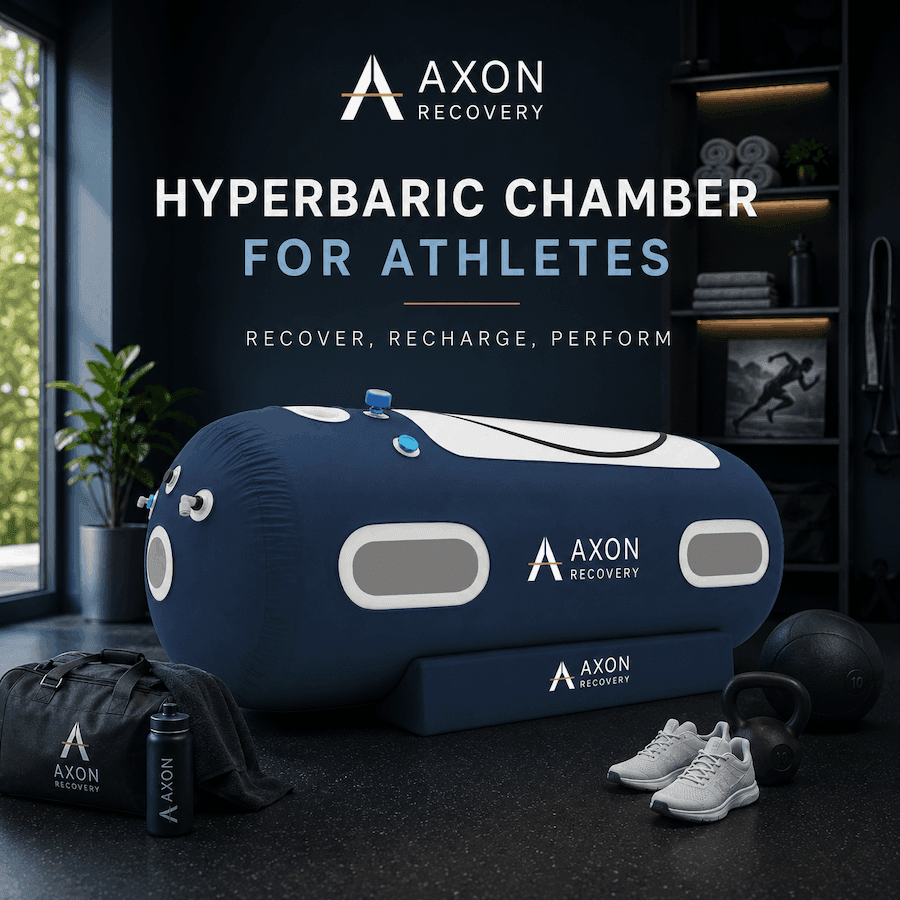
A hyperbaric chamber for athletes should be considered as part of a broader recovery environment, not as a standalone solution. The right setup depends on the athlete, the space, the routine, the support available, and how the equipment fits alongside other recovery systems.
For private athletes, gyms, sports facilities, and recovery studios, an HBOT chamber can be one part of a wider recovery room. The chamber needs to fit the space, feel practical to use, and support a clear routine without creating confusion for users or staff.
This guide explains where a hyperbaric chamber may fit in an athlete recovery routine, what to consider before adding one, and how to avoid choosing equipment based on unsupported claims.
Start with the recovery routine
Before choosing a hyperbaric chamber, start with the recovery routine itself. The equipment should support how the athlete or facility already plans to use the space.A private athlete may want a chamber as part of a home recovery room. A gym may want equipment members can access as part of a paid recovery area. A performance facility may need equipment that works around training schedules, staff support, and repeated use by multiple athletes.Before adding an HBOT chamber for athletes, review:
- Who will use the chamber
- Where it will sit in the recovery area
- How often it may be used
- Whether sessions will be private, booked, or staff-supported
- Whether users understand the equipment
- How the chamber fits alongside other recovery systems
- Whether the setup is practical long term
Where a chamber fits in a recovery space
A hyperbaric chamber is usually only one part of a recovery environment. It may sit alongside red light therapy equipment, mobility areas, stretching space, recovery beds, compression equipment, or other sports recovery equipment.The chamber should not be added randomly. It should have a clear place in the room and a clear role in the user journey.When planning the space, consider:
- Whether the chamber needs a private room
- How users will enter and exit the space
- How staff will explain or manage the chamber
- Whether the chamber should sit near other recovery systems
- How the room will be cleaned and reset
- Whether the setup feels calm and professional
- Whether the equipment supports the wider recovery routine

Private athlete vs gym or facility use
A hyperbaric chamber for a private athlete is different from a chamber used in a gym, recovery studio, or sports performance facility.
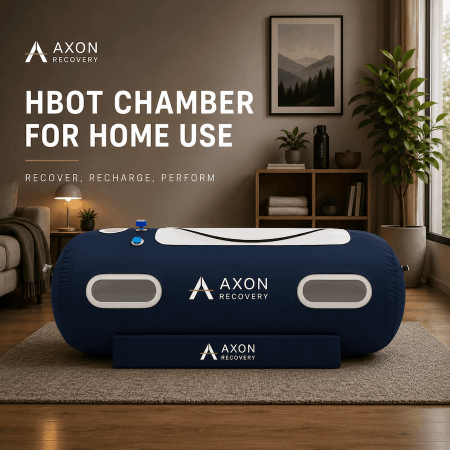
For private use, the main priorities are usually comfort, room fit, access, routine, and whether the chamber is practical enough to use regularly. The space may be a home wellness room, private recovery room, spare room, or dedicated training environment.
For gyms and facilities, the priorities are broader. Staff may need to explain the chamber, manage bookings, support users, clean the room, and keep the service running smoothly.
| Setting | Main priority | What to check |
|---|---|---|
| Private athlete | Comfort and routine | Room fit, access, privacy, regular use |
| Gym recovery area | Member usability | Staff explanation, bookings, room flow |
| Recovery studio | Service experience | Client flow, presentation, support |
| Performance facility | Repeated use | Staff process, athlete flow, scheduling |
Choose the right chamber format
The right chamber format depends on the room, the user, and how the chamber will fit into the recovery routine.
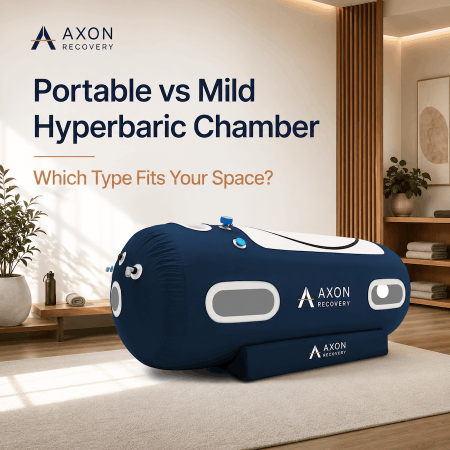
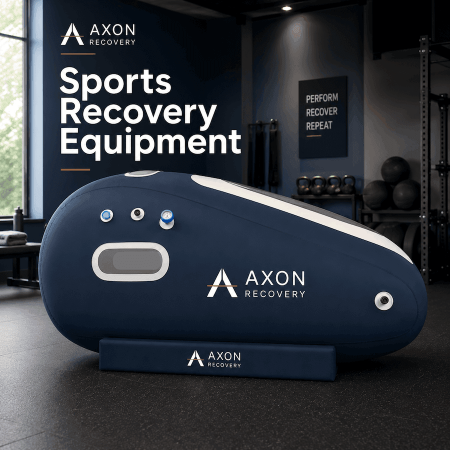
A lie-down chamber may suit a private athlete or premium recovery room where comfort and space are priorities. A seated HBOT chamber may be more practical for gyms, recovery studios, and facilities where entry, staff flow, and repeated use matter. A compact mild chamber may be useful where room size is limited.
Before choosing a chamber, review:
- Whether lie-down or seated use is more practical
- How much space is available
- Whether the chamber will be used by one person or multiple users
- How easy it is to enter and exit
- Whether the chamber feels suitable for the recovery space
- Whether staff need to explain or manage use
- What support is available after delivery
The best chamber is not always the largest or most advanced option. It is the one that fits the environment and the intended routine.
Think about staff workflow
For gyms, studios, and sports facilities, staff workflow is a key part of the decision. A chamber may be suitable for athletes, but it still needs to work practically for the people managing the space.
Staff may need to explain the equipment, manage appointments, prepare the room, reset the space, answer basic questions, and report issues if something needs support.
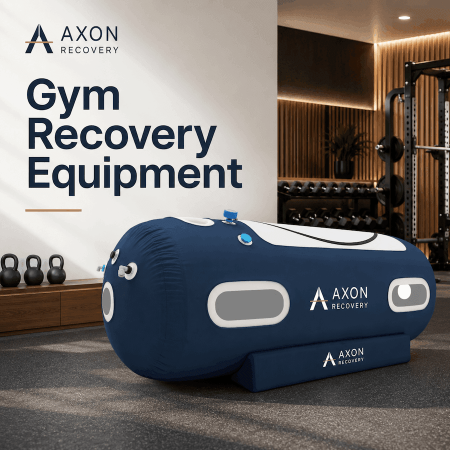
Before choosing gym recovery equipment, review:
- Who will introduce users to the chamber
- How sessions will be booked or managed
- How staff will explain the equipment clearly
- How the room will be cleaned and reset
- Whether staff need setup guidance
- How equipment questions will be handled
- Whether the workflow is realistic during busy periods
A recovery area should not depend on complicated processes. The simpler the workflow, the more likely the equipment is to be used consistently.
Combine HBOT with other recovery equipment carefully
A hyperbaric chamber may sit alongside other recovery and wellness systems, but the room should not become overcrowded. Adding too much equipment too quickly can make the space harder to understand and harder to manage.
Common equipment combinations may include:
- Hyperbaric chamber and red light therapy equipment
- Hyperbaric chamber and mobility space
- Hyperbaric chamber and recovery loungers
- Hyperbaric chamber and compression systems
- Hyperbaric chamber and wider gym recovery equipment
For commercial spaces, the equipment mix should support a clear service model. For private athletes, it should support a realistic routine rather than filling the room with equipment that is difficult to use.
For red light therapy planning in professional spaces, see our professional red light therapy equipment page.
Avoid unsupported recovery or performance claims
Hyperbaric chambers are often discussed in relation to recovery, wellness, performance, and health. This makes responsible communication especially important.
Gyms, studios, and performance facilities should avoid making unsupported medical, recovery, or performance claims. The safest approach is to describe the equipment clearly, explain the session format, and focus on practical space planning rather than promising specific outcomes.
Safer messaging focuses on:
- Equipment type
- Session format
- Room fit
- User comfort
- Staff process
- Professional setup
- Responsible equipment guidance
Axon Recovery provides equipment guidance, not medical or performance advice. If a chamber is being considered for any medical, therapeutic, health-related, or sport-performance purpose, users should consult qualified professionals first.
Common mistakes when adding a hyperbaric chamber to a recovery routine
Choosing the chamber before planning the space
The room should guide the equipment decision. Space, access, user flow, and staff movement all affect which chamber format makes sense.
Assuming athletes all need the same setup
A private athlete, gym member, and performance facility user may all need different levels of access, comfort, explanation, and support.
Making the recovery area too complicated
Too much equipment can make the space harder to use. A clear, practical setup is usually better than a crowded recovery room.
Ignoring staff process
In shared facilities, staff workflow matters. The chamber should be easy to explain, manage, and reset between users.
Relying on unsupported claims
Recovery and performance claims should be handled carefully. Equipment should be promoted responsibly and without unsupported promises.
Hyperbaric chamber recovery routine checklist
Before adding a hyperbaric chamber to an athlete recovery routine, review:
- Available room size
- User type
- Private or shared use
- Chamber style
- Entry and exit access
- Staff workflow
- Session scheduling
- Room cleaning and reset
- Delivery and setup requirements
- Post-purchase support
- Responsible communication and claims
The goal is not simply to add equipment. The goal is to build a recovery setup that fits the athlete, the room, and the way the space will be used.
How Axon Recovery helps
Axon Recovery helps private athletes, gyms, studios, performance facilities, clinics, and commercial wellness projects compare recovery and wellness equipment based on space, user flow, chamber format, staff usability, delivery coordination, and post-purchase support.
If you are considering a hyperbaric chamber for athletes, an HBOT chamber for a gym, or wider sports recovery equipment for a performance space, Axon Recovery can help you compare suitable options before you commit.